

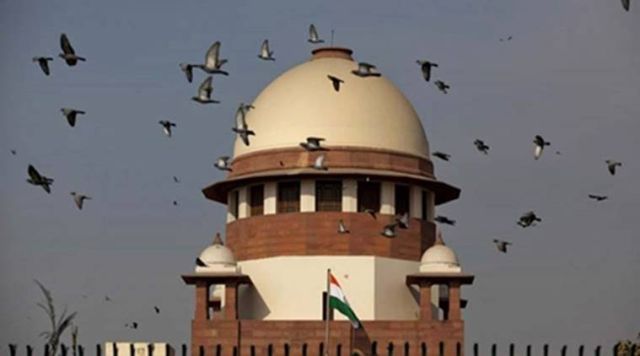
New Delhi: The Supreme Court has affirmed the authority of state police agencies to investigate corruption cases involving central government employees, rejecting claims seeking exclusive jurisdiction for the Central Bureau of Investigation.
A bench led by Justices J B Pardiwala and Satish Chandra Sharma delivered the ruling while dismissing a special leave petition filed against a Rajasthan High Court order from October 2015. The High Court had refused to quash a corruption case registered by the Rajasthan Anti Corruption Bureau against a central government employee.
The apex court supported the High Court’s reasoning and held investigations launched by state anti corruption agencies remain valid even in the absence of CBI involvement. The bench ruled no prior approval or consent from the CBI is required for state police to register an FIR or submit a charge sheet under the Prevention of Corruption Act against a central employee.
While dismissing the petition, the court said the argument claiming exclusive CBI authority lacked legal basis. The judges observed the Delhi Special Police Establishment Act of 1946 empowers the CBI to investigate corruption cases involving central government staff. However, the law does not remove the investigative powers of state police in matters involving cognisable offences under applicable statutes.
The bench further referred to Section 156 of the Code of Criminal Procedure. The provision authorises officers in charge of police stations to investigate cognisable offences without seeking prior sanction from a magistrate. The court stated investigations conducted under this provision remain legally sound and immune from challenges based on jurisdictional objections.
The ruling reinforces the role of state agencies in corruption probes and strengthens accountability mechanisms across administrative levels.